
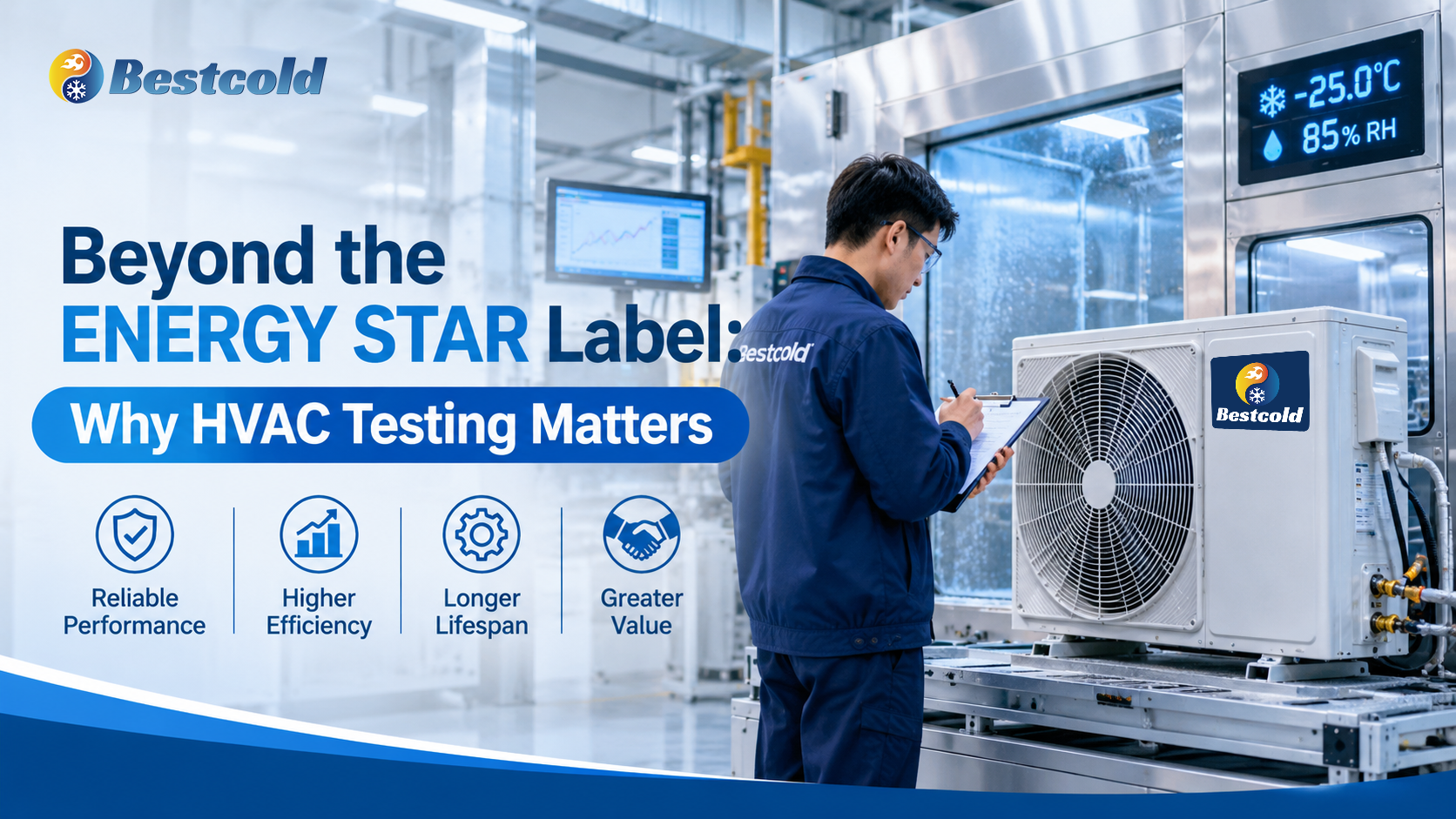
ENERGY STAR certification is an important benchmark when evaluating HVAC equipment. But for distributors, contractors, and project buyers, a certification label alone doesn't tell the whole story.Two HVAC systems may meet similar efficiency standards on paper, yet differ significantly in operating stability, heating and cooling performance, noise levels, and long-term reliability.
That's where comprehensive HVAC testing comes in.
Beyond meeting certification requirements, manufacturers need to verify how equipment performs under different operating conditions, how consistently it maintains its rated performance, and whether critical components can withstand real-world demands.
Rated Efficiency Doesn't Tell the Whole Story
Efficiency ratings such as SEER2, EER2, and HSPF2 provide standardized ways to compare HVAC equipment. However, these ratings are established under defined testing conditions. Actual operating environments are far more variable.
In North America, HVAC systems may face:
⚠ Extreme summer temperatures in states like Texas, Arizona, and Florida.
⚠ Subzero winter conditions in northern U.S. states and Canada.
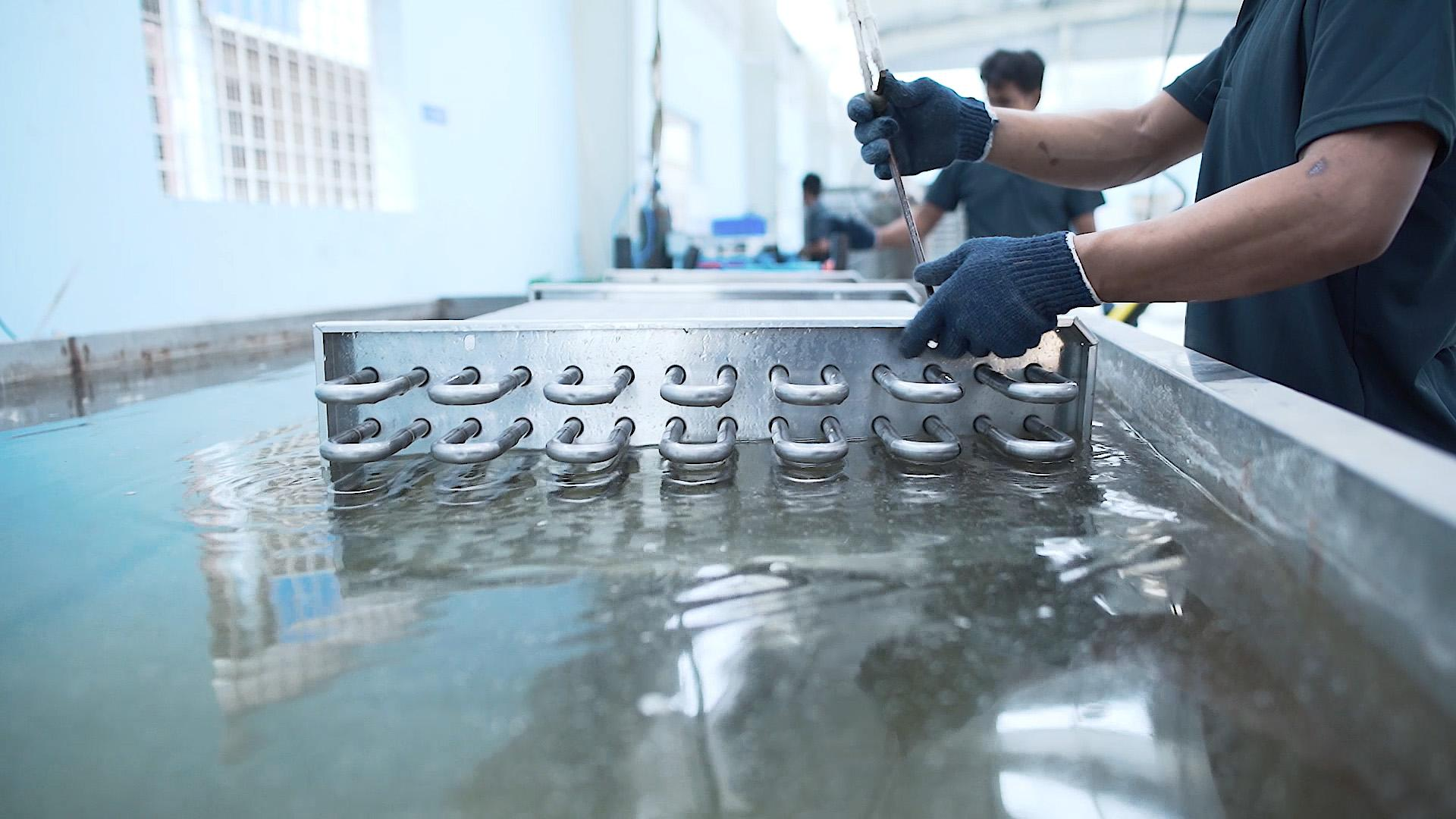
⚠ High humidity and coastal corrosion.
⚠ Frequent heating and cooling cycles throughout the year.
A system's rated efficiency is important, but its ability to maintain stable operation across different conditions is equally valuable. This is why performance verification should go beyond a single efficiency number.
What Should HVAC Manufacturers Actually Test?
Reliable HVAC manufacturing requires multiple layers of product testing. Each evaluates a different aspect of equipment performance and helps identify potential issues before products reach the market.
-
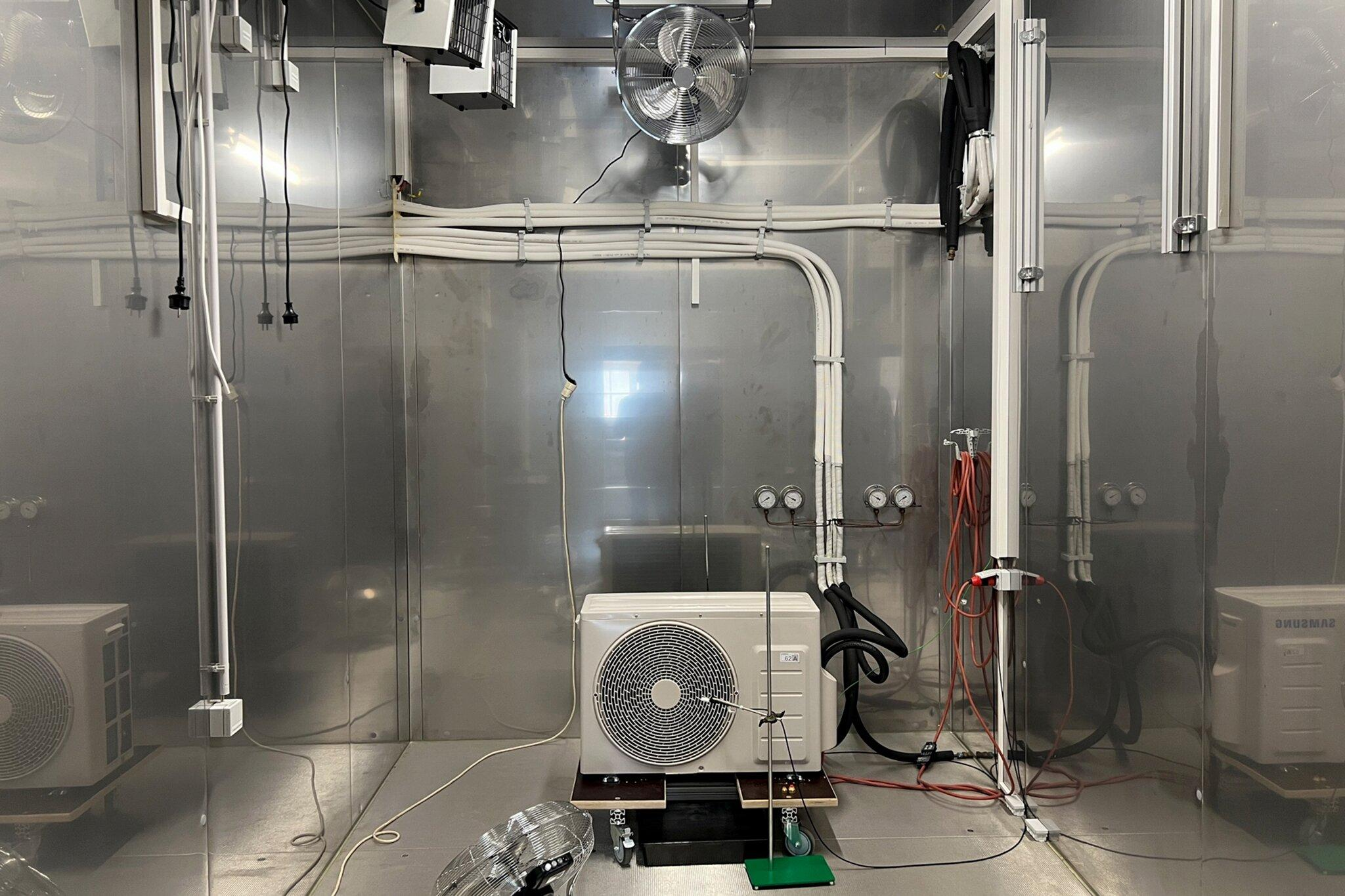
Cooling and Heating Performance. Testing verifies whether equipment delivers its rated heating and cooling capacity under specified conditions. For heat pumps and inverter systems, performance across different outdoor temperatures is particularly important.
-
Electrical Safety and Operating Stability. Voltage fluctuations, electrical protection, compressor operation, and control system performance all influence equipment reliability. Testing helps identify electrical risks and potential operating failures.
-
Airflow and Noise Performance. Proper airflow is essential for consistent indoor comfort. Fan performance, static pressure, and operating noise should be evaluated according to the equipment's design and intended application.
-
Leak and Pressure Testing. Refrigerant circuit integrity is critical. Pressure and leak testing help identify potential weaknesses in connections, coils, and refrigerant piping before shipment.
-
Environmental and Durability Testing. For equipment installed in coastal or high-humidity environments, corrosion resistance deserves particular attention. Protective coil coatings, treated cabinets, and corrosion-resistant hardware can help extend equipment service life.
Not every product requires the same testing protocol. The right approach depends on equipment type, application, market requirements, and operating conditions.
Why Independent Verification Matters in North America
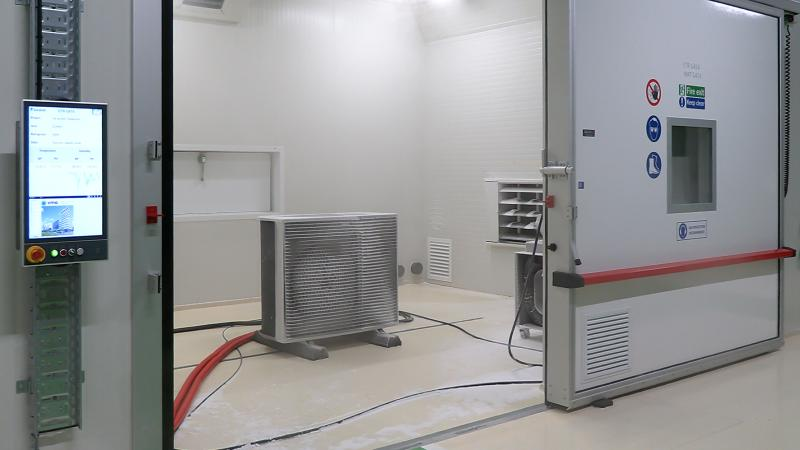
For HVAC equipment entering the U.S. and Canadian markets, third-party certification and independent performance verification play an important role.
Programs and standards such as AHRI certification, UL or ETL safety certification, and applicable DOE efficiency requirements address different aspects of product compliance. They should not be treated as interchangeable. For example:
✅ AHRI certification helps verify rated heating and cooling performance for applicable equipment through standardized rating and certification procedures.
✅ UL and ETL certification address electrical product safety against applicable standards.
✅ DOE requirements establish federal energy conservation standards and testing requirements for covered equipment.
✅ ENERGY STAR identifies qualifying products that meet applicable energy efficiency criteria.
For distributors and contractors, checking the actual model number, certification scope, and supporting documentation is essential. A manufacturer's general claim of compliance is not a substitute for verifying the specific product.
Why Testing Matters to HVAC Distributors and Contractors
For HVAC businesses, product quality directly affects more than installation performance. It also influences warranty costs, customer satisfaction, inventory decisions, and business reputation.
Consider the commercial impact:
-
Fewer After-Sales Issues. Proper testing helps identify manufacturing defects before shipment, reducing the risk of avoidable field failures and costly service calls.
-
More Predictable Project Performance. Contractors need equipment that performs consistently with its documented specifications. Reliable product data makes system selection and project planning easier.
-
Stronger Customer Confidence. Distributors and installers are often the first point of contact when equipment underperforms. Working with manufacturers that maintain structured quality control helps protect their reputation.
-
Better Long-Term Supply Partnerships. Consistent testing procedures, traceable production records, and reliable technical support make it easier to build a sustainable supply relationship.
Ultimately, the value of HVAC equipment should be measured not only by its purchase price or efficiency rating, but also by its performance after installation.

What to Ask an HVAC Manufacturer Before You Buy
Whether you're sourcing mini-split systems, heat pumps, rooftop units, or commercial HVAC equipment, asking the right questions can help you evaluate a supplier more effectively.
Before placing an order, consider asking:
💭 What performance testing is conducted before shipment?
💭 Are the relevant models AHRI certified or independently tested?
💭 What electrical safety certifications apply to the products?
💭 Are factory pressure and refrigerant leak tests performed?
💭 Can the manufacturer provide model-specific technical documentation?
💭 What warranty, spare parts, and after-sales support are available?
A reliable manufacturer should be able to explain its testing procedures and provide relevant documentation rather than relying on general marketing claims.
Choose Bestcold That Tests for Performance
At Bestcold, we believe reliable HVAC equipment starts with more than efficiency ratings. It requires consistent manufacturing standards, product performance verification, and attention to the operating conditions customers face in different markets.
With nearly 10 years of HVAC industry experience and an annual production volume exceeding one million units, Bestcold supports international distributors, contractors, and project buyers with a broad range of HVAC solutions.
Our product portfolio includes mini-split air conditioners, multi-zone systems, heat pumps, rooftop packaged units, VRF systems, and air handling units.
Whether you're sourcing equipment for residential distribution or a large commercial project, our team can help you evaluate suitable models, technical specifications, certifications, and supply options.
Looking for an HVAC manufacturing partner that understands your market requirements? Contact Bestcold to discuss your product needs and explore reliable HVAC solutions for your business.


